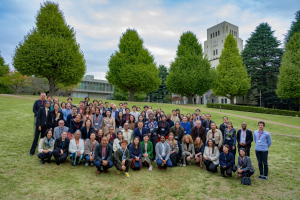
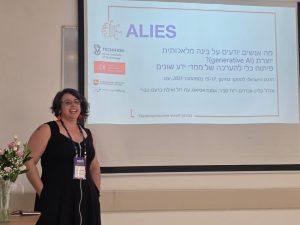
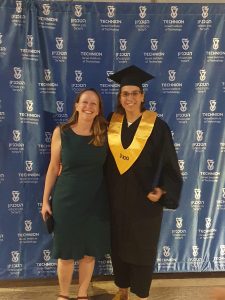
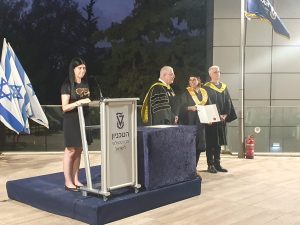
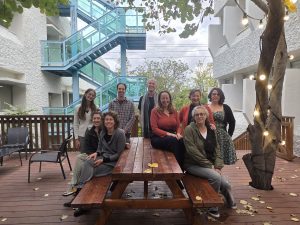
We were honored to host two alumni of our group, Yael Barel Ben-David and Karen Dalyot!


האגודה לאקולוגיה ומדעי הסביבה מגיעה לטכניון! בואו להכיר את פורום מדעני ומדעניות האקלים ואת תוכנית ממשק ולשמוע הרצאה מרתקת של פרופ’ אילת ברעם צברי: “העובדות אינן מדברות בעד עצמן: תקשורת מדע אפקטיבית למדעני אקלים”. 21.12 11:00-13:00. האירוע מיועד לחברי סגל, פוסט-דוקטורנטים ותלמידי תואר שלישי. הרשמה בקישור: https://forms.office.com/r/9N1pBGhYAB
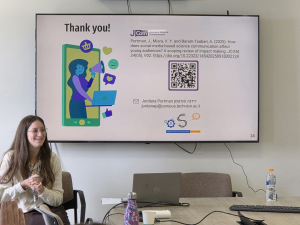
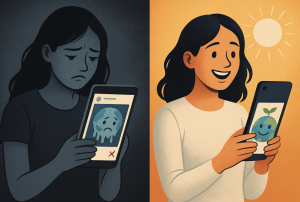
How impactful is science communication on social media for young audiences? This scoping review of 35 studies shows it can boost interest, knowledge, and trust, depending on the context, platform, and media type. The next step: pinpoint which factors and strategies yield which outcomes.

How do teachers integrate a citizen science project into schools?
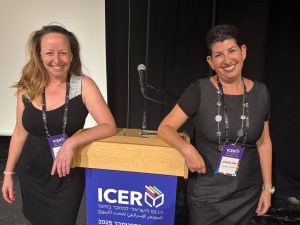
This question is addressed in a study presented by Dr. Dalit Lan at the Israeli Conference on Research in Education.: “Teachers Leading Citizen Science in Schools – Teachers’ Voices in the ‘Landmarks for Accessible Environment’ Project.” The study was led by Dr. Dalit Lan, Prof. Ayelet Baram-Tsabari, Dr. Keren Dalyot, and Dr. Sagi Dalyot. The project, conducted within the framework of the Taking Citizen Science to School (TCSS) center, involved more than 2,100 students from 33 schools. The students participated in urban mapping as part of a geo-information research study aimed at planning accessible walking routes for people with visual impairments – a unique integration of authentic scientific research and geographic and scientific education. The educational study’s findings reveal patterns of implementation for integrating citizen science into schools, based on bridging teachers’ goals with the ways they employed to achieve them. The study shows that citizen science in schools combines a view of it as a lever for learning with a view that emphasizes the promotion of values, enabling broader involvement of students and teachers in research and in the community.
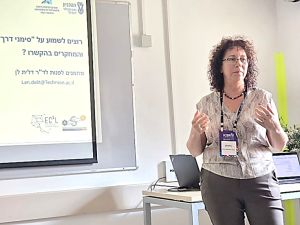
Dr. Inbal Klein Avraham presented her latest research at the Israeli Conference of Education Research, held in Acre. In her talk, “What do people know about generative artificial intelligence? Developing an assessment tool for multiple knowledge dimensions”, she showcased a collaborative project conducted with Ruth Savir, Osnat Atias, Ido Roll, and Ayelet Baram-Tsabari. In this study, the team developed and validated a performance-based, two-dimensional assessment tool designed to measure the public’s knowledge of AI and generative AI. The conference provided researchers, educators, and practitioners with an opportunity to discuss and share insights on the role of artificial intelligence in society and education.


This competition was organized by the IUCC (Inter-University Computation Center) with the support of AWS. It focused on the use of AI tools in higher education to advance research, enhance teaching, and improve services for students. Our proposal was selected as one of only 9 finalists from dozens of submissions.